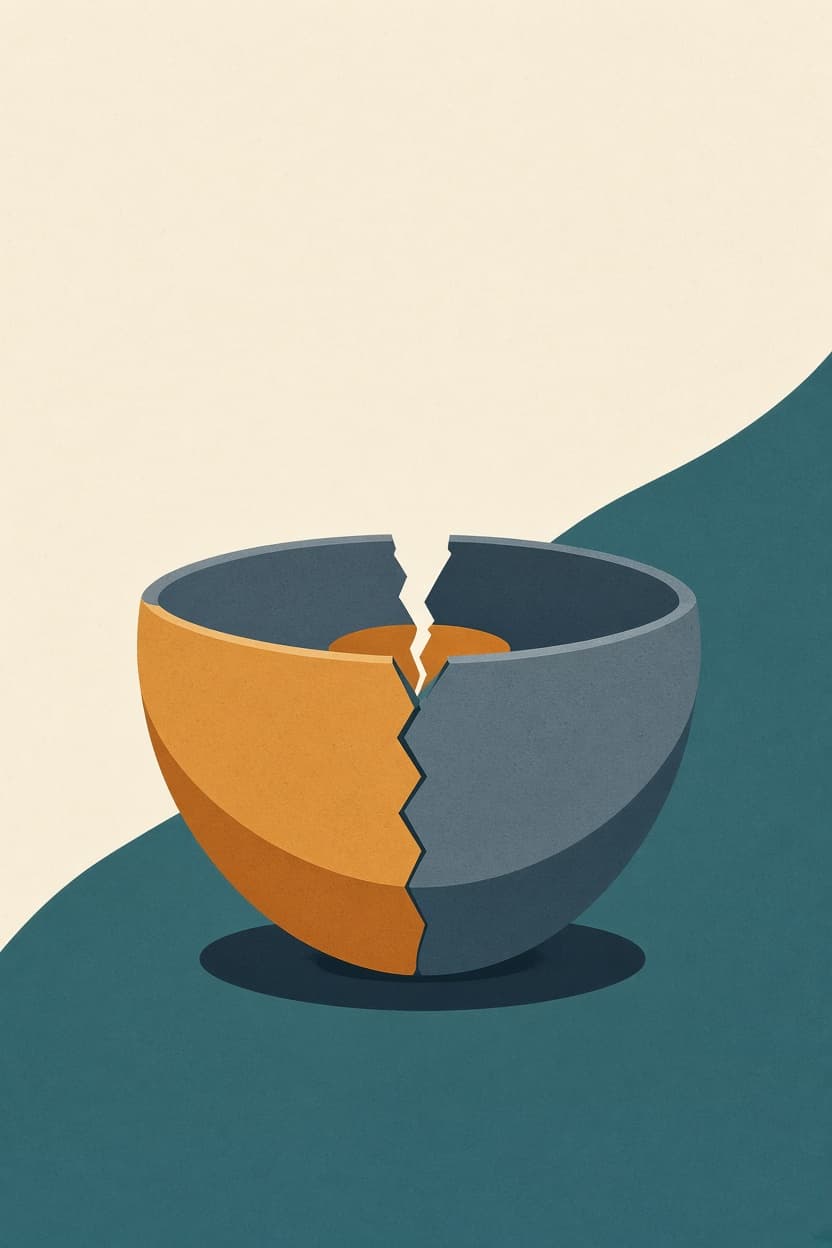
Adult Children of Emotionally Immature Parents
How to Heal from Distant, Rejecting, or Self-Involved Parents
Lindsay C. Gibson · 2015 · Psychology
11 min · 11 chaptersNarrated in your voice
What it's about
Gibson argues that many adults carry unresolved loneliness from being raised by parents who were emotionally immature: unable to offer real empathy, prone to dominating or withdrawing, and quick to punish a child's separate identity. She maps four parent types, shows how children adapt by becoming compulsive caretakers or over-thinkers, and offers a path to emotional autonomy that does not require the parent to change or even acknowledge the harm.
Reading plan
Pick a finish date and Genius lays out the days — the plan shows today's target and keeps you honest.
Read together
Start a circle and share the code — everyone sees everyone's honest place in the book. Accountability, not leaderboards.
Who it's for
- Adults who feel drained after visits with a parent but can't say exactly why - People who habitually over-explain themselves and chase approval from unavailable figures - Therapy clients stuck rehashing childhood who need a concrete diagnostic framework
What’s inside
- 1The Invisible Wound1 min
A child can be fed, housed, and never hit, and still be starved of the emotional attunement that shapes a stable identity.
- 2What Emotional Immaturity Looks Like1 min
Emotional immaturity in a parent is a stable trait, not an occasional bad mood, and it shows up as low stress tolerance, rigid thinking, and an inability to see the child as a separate person.
- 3Four Types of Difficult Parent1 min
Emotionally immature parents sort into four recognizable patterns, and naming the pattern predicts the specific kind of damage a child absorbed.
- 4Internalizers and Externalizers1 min
Children of emotionally immature parents split into two broad coping styles, and the self-blaming, over-responsible 'internalizer' pays a much higher psychological price than the acting-out 'externalizer.'
- 5The Fantasy of Being Understood1 min
Adult children keep returning to emotionally immature parents hoping for a moment of recognition that the parent's psychology makes structurally impossible, and this hope, not the relationship itself, causes much of the ongoing pain.
- 6Getting Free Inside Yourself1 min
Emotional freedom from a parent is achieved internally, through a change in the adult child's own expectations and reactions, and does not require confrontation, an apology, or even changed behavior from the parent.
- 7Setting Terms Without Cutting Ties1 min
Adult children can stay connected to a difficult parent on their own terms by limiting what topics, time, and vulnerability they offer, rather than choosing between full engagement and full cutoff.
- 8Choosing Different Relationships1 min
The relational patterns learned with an emotionally immature parent get replayed with partners, friends, and bosses, so healing must extend beyond the family of origin into how the adult chooses and behaves in current relationships.
About Lindsay C. Gibson
Lindsay C. Gibson is a clinical psychologist who has practiced psychotherapy for over three decades, specializing in adult children of dysfunctional families. She draws on case material from her own practice rather than large-scale research, and has written several follow-up books extending this framework to specific parent types and to self-parenting.