Never Split the Difference
Negotiating As If Your Life Depended On It
Chris Voss · 2016 · Communication
9 min · 9 chaptersNarrated in your voice
What it's about
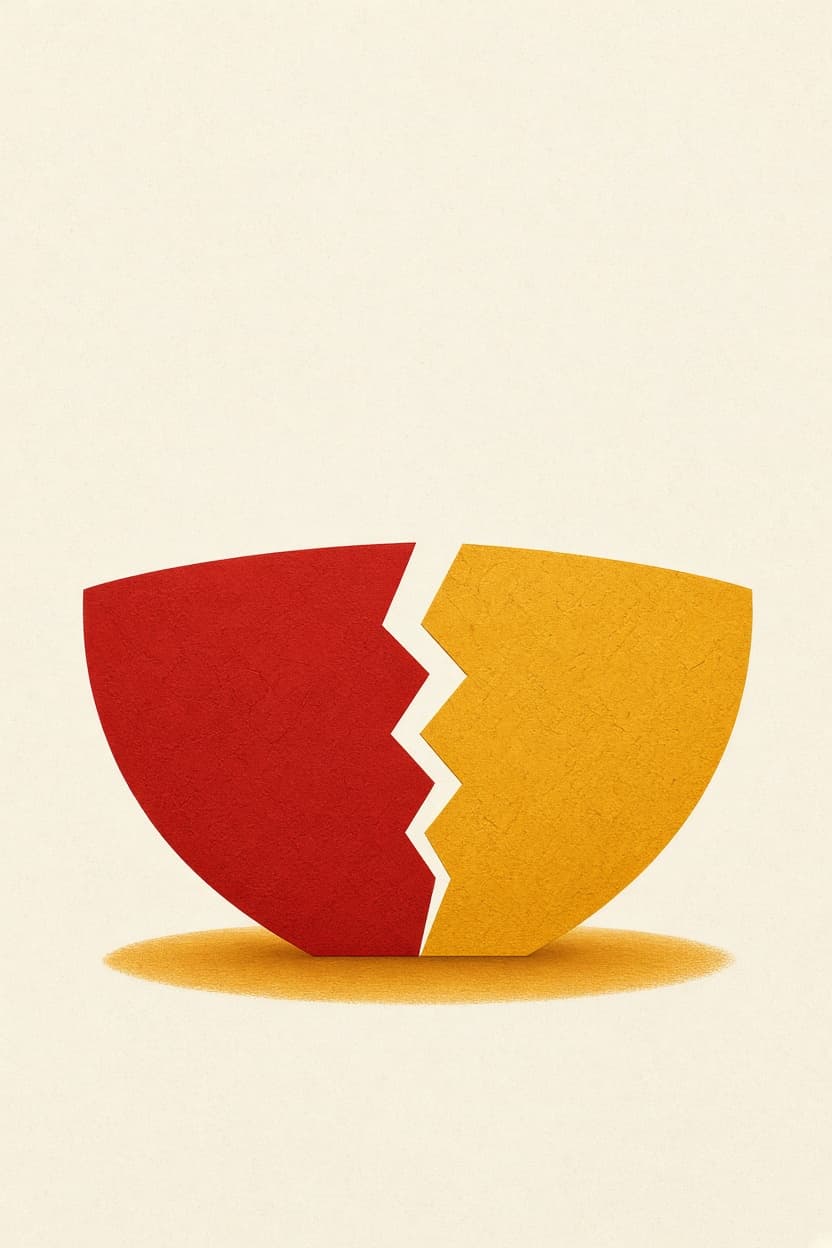
Chris Voss argues that the standard business-school approach to negotiation, built on rational compromise and splitting differences, misreads how people actually make decisions. Drawing on his career as the FBI's lead international kidnapping negotiator, he contends that negotiation is driven by emotion, not logic, and that the negotiator who uncovers the other side's hidden fears and needs, without forcing them into a 'yes,' wins better outcomes than one chasing a fifty-fifty deal.
Reading plan
Pick a finish date and Genius lays out the days — the plan shows today's target and keeps you honest.
Read together
Start a circle and share the code — everyone sees everyone's honest place in the book. Accountability, not leaderboards.
Who it's for
- Salespeople and dealmakers who keep losing ground the moment a counterpart pushes back - Managers and employees preparing for a salary or contract negotiation they've been dreading - Anyone who wants a practical way to defuse conflict in high-stakes personal conversations
What’s inside
- 1The Death of Rational Compromise1 min
Negotiation theory that assumes people are rational calculators fails because real decisions are driven by fear, need for security, and other emotions that a spreadsheet can't capture.
- 2Mirroring: The Simplest Tool You're Not Using1 min
Repeating the last few words someone says, rather than responding with your own argument, gets them to reveal more than direct questioning ever could.
- 3Tactical Empathy and Labeling1 min
Naming the other person's emotion out loud, even when it's negative, defuses it more effectively than ignoring it or arguing against it.
- 4Beware the Yes, Master the No1 min
Getting someone to say yes is often worthless or counterproductive, while getting them to say no gives them a feeling of safety and control that makes real progress possible.
- 5The Magic of 'That's Right'1 min
The real breakthrough moment in a negotiation isn't when someone agrees with you, it's when they hear their own position summarized so accurately that they say 'that's right.'
- 6Bending Reality with Anchors and Calibrated Questions1 min
Whoever sets the first number shapes the entire negotiation, but the way to move a stuck counterpart isn't a counteroffer, it's a question that puts the problem back in their hands.
- 7Guaranteeing Execution: The Rule of Three and the Black Swan1 min
An agreement isn't a win if it doesn't get carried out, so negotiators must test for real commitment and stay alert for hidden information that could upend everything they think they know.
About Chris Voss
Chris Voss spent 24 years at the FBI, rising to become its lead international kidnapping negotiator and a member of the Joint Terrorism Task Force. After leaving the Bureau in 2007, he founded the Black Swan Group, teaching his hostage-negotiation methods to corporations and executives, and co-wrote this book with Tahl Raz in 2016.