10 min · 10 chaptersNarrated in your voice
Original summary · AI-drafted, human-published · added by Library
What it's about
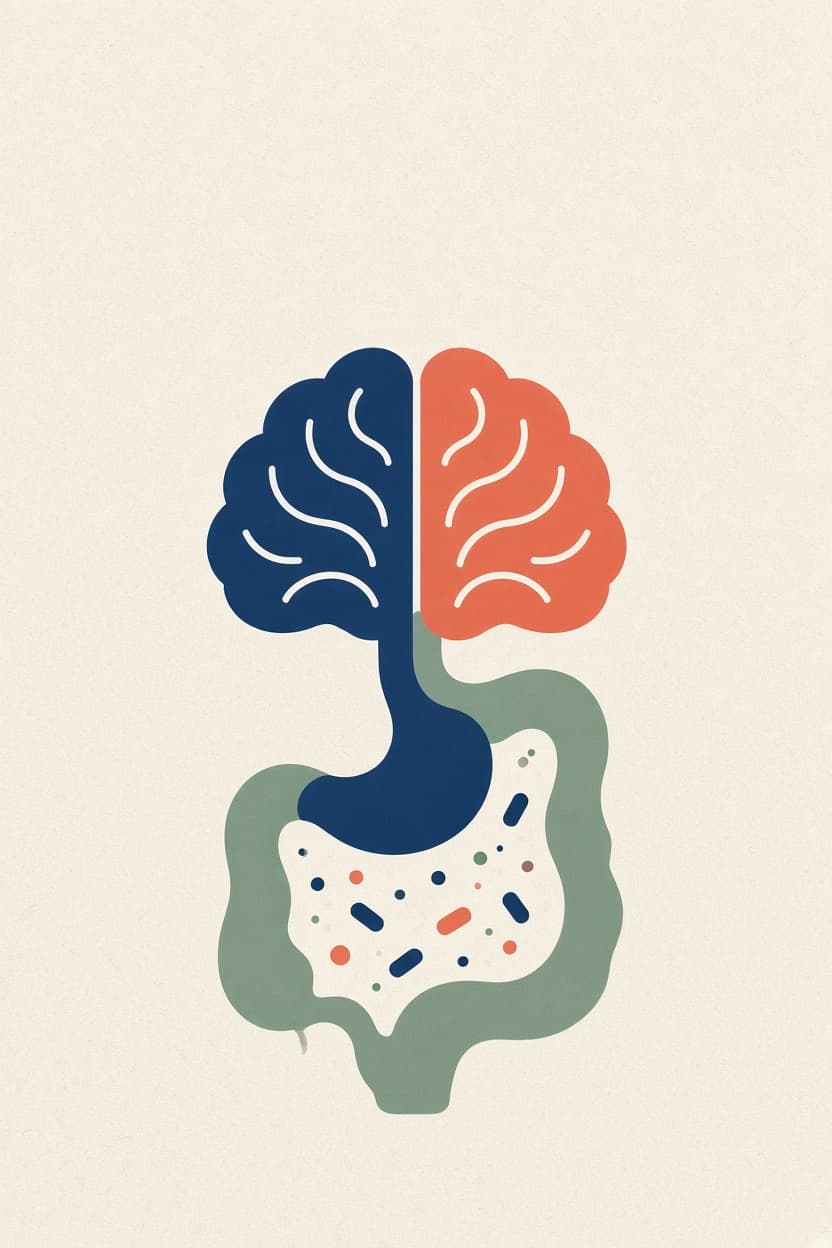
Giulia Enders makes the case that the gut is not a passive tube for digestion but a sophisticated organ that shapes mood, immunity, and overall health through constant conversation with the brain and the trillions of microbes living inside it. Drawing on her own doctoral research in microbiology, she argues that Western medicine and culture have treated the digestive system with squeamishness rather than curiosity, and that this neglect has cost us practical knowledge about disease prevention and everyday wellbeing.
Reading plan
Pick a finish date and Genius lays out the days — the plan shows today's target and keeps you honest.
Read together
Start a circle and share the code — everyone sees everyone's honest place in the book. Accountability, not leaderboards.
Who it's for
- Readers curious about the science behind digestion, bloating, or irregular bowel habits - People interested in the gut-brain connection and its link to mood or anxiety - Anyone wanting an accessible, occasionally irreverent introduction to microbiome science
What’s inside
- 1The Organ We Ignore1 min
Cultural squeamishness about the digestive system has caused us to overlook an organ that is central, not peripheral, to health.
- 2The Journey From Mouth to Stomach1 min
Digestion begins with chewing and saliva, and rushing this stage undermines everything that follows.
- 3The Small Intestine as Sorting Facility1 min
The small intestine's enormous surface area exists because nutrient absorption, not digestion, is the body's real bottleneck.
- 4The Large Intestine and Its Microbial City1 min
The large intestine functions less like a waste chute and more like a fermentation chamber run by trillions of bacteria that determine much of our health.
- 5Talking to the Brain: The Gut-Brain Axis1 min
The gut and brain are in constant two-way communication, meaning mood and digestion influence each other rather than the brain simply commanding the body.
- 6Immunity Begins in the Gut1 min
The majority of the body's immune system is trained and housed in gut tissue, making digestive health inseparable from disease resistance.
- 7Living With Your Microbes: Diet and Daily Practice1 min
Small, consistent dietary choices, particularly fiber intake and reduced processed food, have outsized effects on microbial diversity and long-term health.
About Giulia Enders
Giulia Enders is a German physician and microbiologist who completed her doctoral research on the microbiome at the Institute for Medical Microbiology in Frankfurt. She wrote Gut while still a medical student, drawing on lab work and clinical study to popularize digestive science for a general audience.
What readers say
Read next

Salt Sugar FatMichael MossSummary12 min
Salt Fat Acid HeatSamin NosratSummary10 min

AwakeningsOliver SacksSummary13 min
The Mind-Gut ConnectionEmeran MayerSummary12 min

Glucose RevolutionJessie InchauspéSummary11 min

Built to MoveKelly Starrett and Juliet StarrettSummary11 min