How the World Really Works
A Scientist's Guide to Our Past, Present and Future
Vaclav Smil · 2022 · Science
10 min · 10 chaptersNarrated in your voice
What it's about
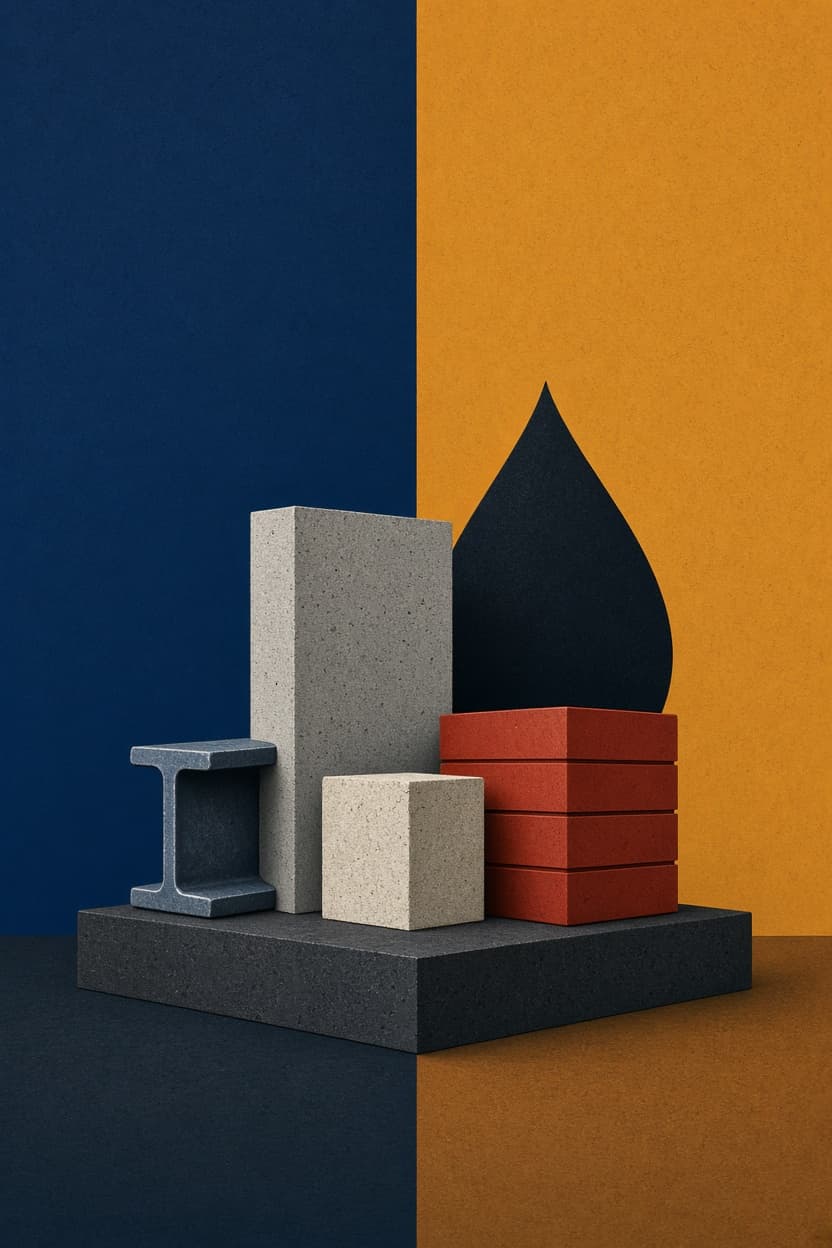
Vaclav Smil argues that modern civilization runs on four material pillars—steel, cement, ammonia, and plastics—that require fossil fuels to produce at scale, and that most public discussion of energy transitions ignores the physical scale of this dependence. The book strips away political framing to walk through energy, food, materials, and risk using numbers rather than narratives. It mattered because it landed amid loud climate pledges and offered an unglamorous check: replacing fossil-fuel-based production of these four materials at current volumes is not simply a matter of political will.
Reading plan
Pick a finish date and Genius lays out the days — the plan shows today's target and keeps you honest.
Read together
Start a circle and share the code — everyone sees everyone's honest place in the book. Accountability, not leaderboards.
Who it's for
- Policy analysts who want to test climate pledges against physical and industrial constraints - General readers tired of both doomerism and techno-optimism who want plain numbers - Engineers, economists, and journalists who write about energy and want a factual baseline
What’s inside
- 1The Four Pillars of Modern Life1 min
Civilization's material basis rests on four substances—cement, steel, plastics, and ammonia—that cannot currently be produced at scale without fossil fuels, making rapid decarbonization far harder than political rhetoric suggests.
- 2Energy Is Not Optional, It Is Foundational1 min
Energy consumption, not GDP or technology alone, is the best predictor of a society's standard of living, and this dependence is far deeper and more physical than economic abstractions suggest.
- 3Feeding Eight Billion People1 min
The Green Revolution's dependence on synthetic nitrogen fertilizer means roughly half of humanity is alive today only because of fossil-fuel-derived ammonia, a fact that undermines simple calls to make agriculture fully organic or fossil-free.
- 4Globalization Runs on Bunker Fuel and Containers1 min
The cheap global movement of goods that defines modern consumer life depends on a small number of technologies—container ships, bunker fuel, and just-in-time logistics—that are fragile, carbon-intensive, and rarely questioned by the public that benefits from them.
- 5Risk Is Poorly Understood by the Public1 min
Public perception of risk is systematically distorted by media coverage and psychological bias, causing people to fear low-probability, high-visibility dangers while ignoring larger, mundane ones.
- 6The Planet's Limits Are Real but Complicated1 min
Environmental degradation is real and serious, but apocalyptic predictions of imminent collapse have a poor track record, and precise long-range forecasting of complex environmental systems is less reliable than it is often presented.
- 7Why Timelines for Decarbonization Are Unrealistic1 min
Pledges to reach net-zero carbon emissions by 2050 understate the scale, cost, and time historically required to convert energy infrastructure, making such targets more political than physically achievable on current trajectories.
About Vaclav Smil
Vaclav Smil is a Czech-Canadian scientist and Distinguished Professor Emeritus at the University of Manitoba. He has written over forty books on energy, environment, food production, and technological change, drawing on decades of quantitative analysis. Bill Gates has cited him as a major influence on his own thinking about energy and development.