12 min · 11 chaptersNarrated in your voice
Original summary · AI-drafted, human-published · added by Library
What it's about
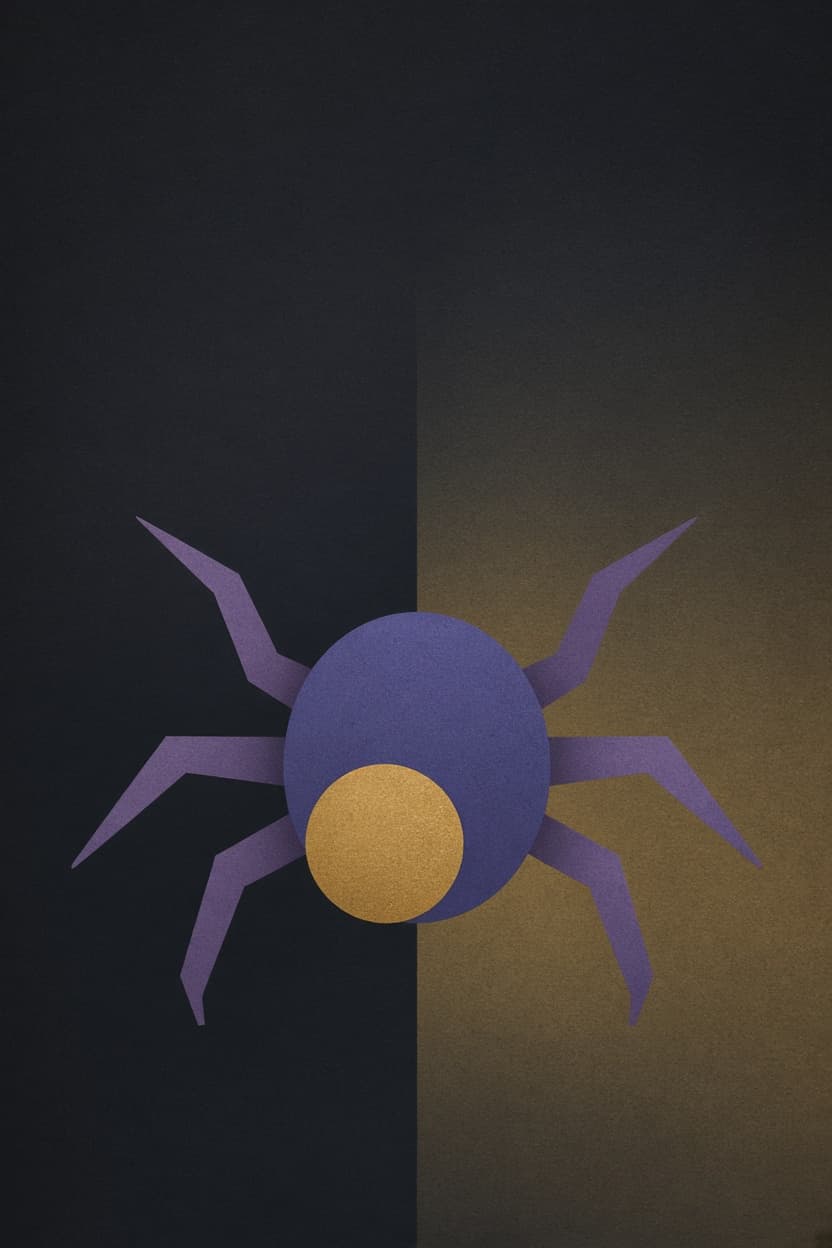
Pinker argues that language is not a cultural invention passed down like fire-making or calendars, but a biological adaptation wired into the human brain by evolution, much like a spider's instinct to spin webs. Drawing on Chomsky's generative grammar, child development studies, and cross-linguistic data, he contends that all humans share an innate universal grammar, and that language acquisition, grammar, and even speech errors reveal a hidden, rule-governed machinery common to the species.
Reading plan
Pick a finish date and Genius lays out the days — the plan shows today's target and keeps you honest.
Read together
Start a circle and share the code — everyone sees everyone's honest place in the book. Accountability, not leaderboards.
Who it's for
- Curious readers who want to understand why children learn language without formal teaching - Writers, teachers, and editors who want a scientific account of grammar rather than a prescriptive one - Students of psychology, linguistics, or cognitive science looking for a readable entry point into the nativist view of mind
What’s inside
- 1An Instinct, Not an Invention1 min
Language is a biological adaptation shaped by natural selection, not a cultural artifact that some societies simply invented and others inherited.
- 2Chomsky's Universal Grammar1 min
Beneath the surface diversity of the world's languages lies a single shared grammatical blueprint that every child is born already knowing.
- 3Words as a Combinatorial System1 min
The mental dictionary and mental grammar are two distinct systems, and their interaction explains puzzling patterns like irregular verbs.
- 4Sound Without Meaning: Phonology1 min
Speech perception and production rely on an innate system for parsing continuous sound into discrete, structured units, not on simple pattern matching.
- 5The Acquisition Timetable1 min
Children acquire language on a fixed biological schedule that unfolds through universal stages regardless of teaching effort or environment.
- 6Language and the Brain1 min
Language is housed in specialized, partially dedicated neural circuitry, not distributed evenly across general-purpose intelligence.
- 7The Evolution of the Language Organ1 min
Language evolved through ordinary natural selection acting on communicative advantage, not as an accidental side effect of a big brain or as an unexplainable leap.
- 8Against the Language Mavens1 min
Traditional grammar rules taught in schools are often arbitrary style preferences mistaken for laws of language, and violating them is not a sign of linguistic decline.
About Steven Pinker
Steven Pinker is a Canadian-American cognitive scientist and linguist, formerly at MIT and now at Harvard, where he researches language acquisition and cognition. A student of the generative grammar tradition associated with Noam Chomsky, he has written numerous bestselling books translating cognitive science for general readers, including How the Mind Works and The Blank Slate.
What readers say
Read next
An Immense WorldEd YongSummary17 min

IncognitoDavid EaglemanSummary10 min
MusicophiliaOliver SacksSummary12 min

The Code BreakerWalter IsaacsonSummary13 min

A Brief History of TimeStephen HawkingSummary17 min

Brief Answers to the Big QuestionsStephen HawkingSummary15 min